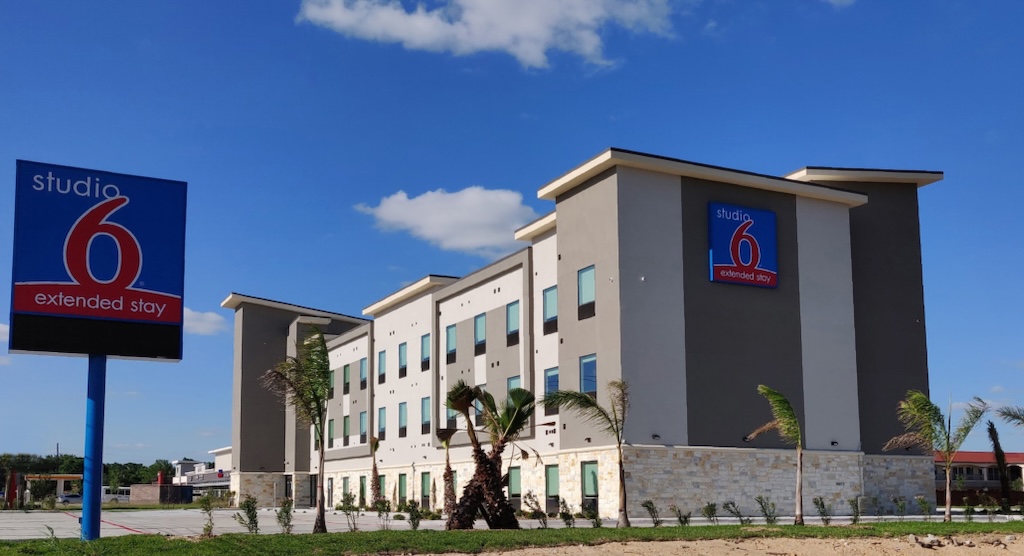
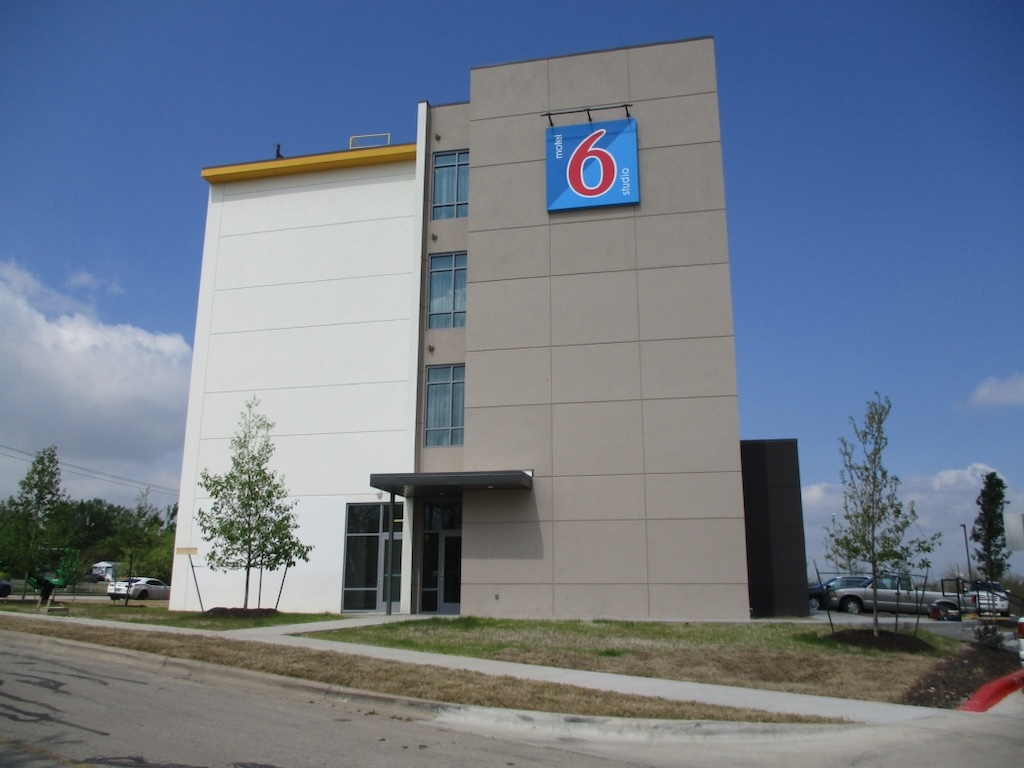
G6 Hospitality operates the well-known economy lodging brands Motel 6 and Studio 6, which serve millions of travelers across North America each year. These brands focus on delivering clean, comfortable accommodations at accessible price points while maintaining dependable operational standards across thousands of locations.
Even in the economy lodging segment, guest expectations for technology and comfort have evolved dramatically. Travelers now expect reliable climate control, modern televisions, and convenient in-room amenities regardless of price tier. To maintain consistency and operational reliability, G6 Hospitality requires hotels to install hospitality-grade technology equipment designed specifically for high-turnover environments.
Hospitality TVs, HVAC systems, appliances, and accessories must all meet durability, safety, and efficiency standards suitable for hotel use. For property owners and operators, understanding these standards is especially important when planning renovations, completing franchise upgrades, or preparing for brand inspections.
Below is a detailed overview of the hospitality technology standards typically expected for Motel 6 and Studio 6 properties.
G6 Hotel Brands
G6 Hospitality operates a small but well-known portfolio of 2 primary hotel brands, both focused on the economy and extended-stay segments. The company is best known for its budget roadside lodging brands across North America.
Below is the full list of G6 Hospitality hotel brands.
Economy Brand
Extended Stay Economy Brand
Hospitality TVs & In-Room Entertainment Systems
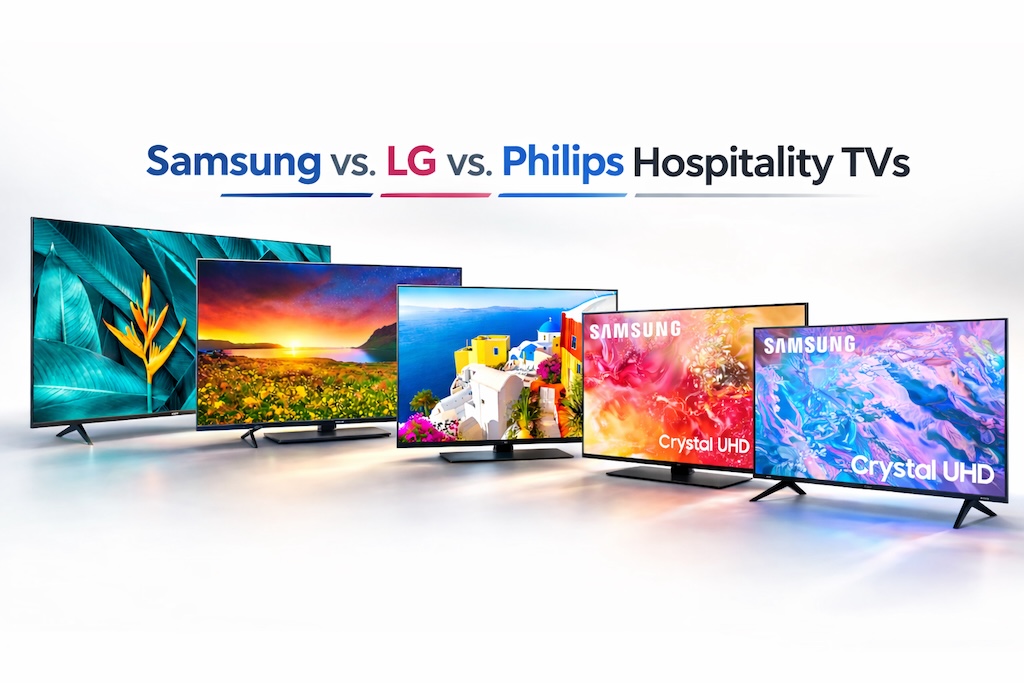
Televisions are one of the most visible and frequently used technologies in any guest room. Even at economy hotel brands, guests expect crisp displays, intuitive controls, and the ability to access entertainment easily during their stay. While premium brands often offer full streaming ecosystems, economy brands like Motel 6 still rely on dependable television systems to deliver simple and reliable entertainment.
To support these expectations, G6 Hospitality requires commercial hospitality televisions that are built specifically for hotel environments. Hospitality TVs differ significantly from consumer models because they include hotel-mode firmware, locked input ports, centralized configuration, and longer product life cycles. These features allow hotel staff to manage devices more efficiently while protecting the equipment from guest tampering.
Hospitality TVs are also engineered to withstand long operating hours, frequent power cycling, and heavy usage, conditions common in high-occupancy hotels.
G6 Hospitality TV Requirements
Motel 6 and Studio 6 properties should install TVs that:
Are hospitality-grade commercial models, not consumer retail televisions.
Meet brand-mandated minimum screen sizes and durability standards.
Support modern resolution and streaming compatibility where upgrades are implemented.
Provide secure firmware and hotel-mode functionality for operational control.
Align with approved model requirements outlined in renovation documentation.
Hospitality displays from manufacturers such as Samsung and LG are frequently used because they provide features like remote management, input locking, and longer lifecycle support, critical capabilities for hotel operations.
Selecting approved hospitality TVs helps ensure consistent guest experiences while minimizing downtime and maintenance costs.
PTAC Units & HVAC Standards
Climate comfort is one of the most important factors influencing guest satisfaction and review scores. When travelers enter a hotel room, they expect to quickly adjust the temperature and enjoy a comfortable environment throughout their stay.
To meet these expectations, many G6 properties utilize PTAC (Packaged Terminal Air Conditioner) systems, which allow individual guest rooms to control heating and cooling independently. PTAC systems are widely used in the hospitality industry because they offer a cost-effective solution that balances performance, energy efficiency, and serviceability.
Unlike residential HVAC units, hospitality-grade PTAC systems are designed for continuous operation, frequent cycling, and quick maintenance access. These characteristics make them particularly well suited for hotels with high occupancy turnover.
G6 PTAC & HVAC Requirements
PTAC systems used in Motel 6 and Studio 6 properties should deliver:
Energy-efficient heating and cooling performance aligned with brand standards.
Reliable operation and durability suitable for high-occupancy hotel environments.
Minimum BTU capacity and efficiency ratings defined in renovation specifications.
Easy service access and strong warranty coverage to support long-term maintenance.
Choosing hospitality-grade PTAC units helps properties reduce maintenance costs, maintain guest comfort, and meet G6 engineering expectations.
Energy-efficient HVAC systems also contribute to lower operational expenses and support broader sustainability goals within modern hotel operations.
Guest Room Appliances
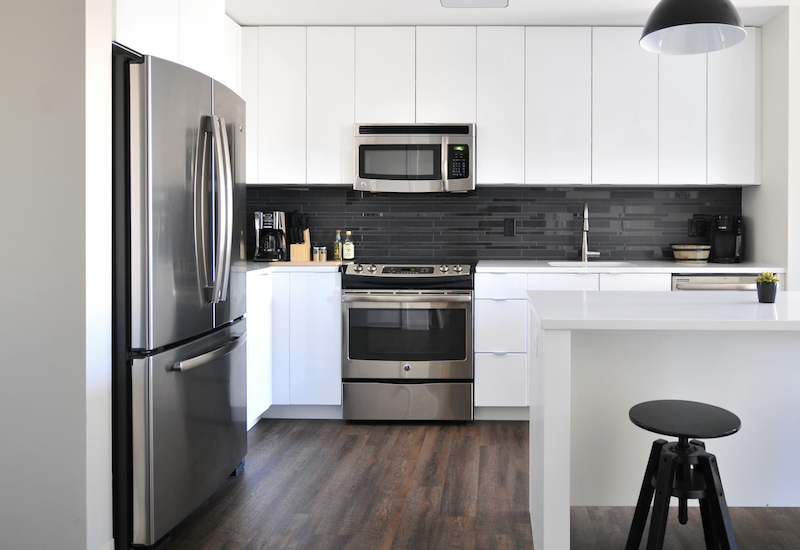
Guest room appliances play a key role in the everyday convenience of a hotel stay. Whether guests are storing beverages in a refrigerator or preparing a quick meal in a microwave, these small amenities can significantly improve the overall guest experience.
Appliance requirements vary between Motel 6 and Studio 6 because the two brands serve slightly different traveler needs. Motel 6 properties typically focus on short stays and simple accommodations, while Studio 6 is designed for extended-stay travelers who require additional in-room conveniences.
Because of the higher usage levels in hotels compared to residential settings, G6 requires appliances that are built for commercial durability and long-term performance.
G6 Guest Room Appliance Requirements
G6 properties should include:
Refrigerators and microwaves in Studio 6 guest rooms, supporting extended-stay guests.
Appliances that meet brand durability and energy standards.
Consistent appliance selection across rooms to support inspection approval.
Equipment designed for high-usage hospitality environments rather than residential use.
Hospitality-grade refrigerators and microwaves are engineered with reinforced components and improved ventilation systems that allow them to operate reliably even under heavy usage.
Selecting compliant appliances improves operational efficiency and helps maintain consistency across guest rooms.
Accessories & Installation Hardware
While televisions, HVAC systems, and appliances receive the most attention during property upgrades, accessories and installation hardware are equally important for maintaining safe and reliable technology systems.
In-room accessories include TV mounts, electrical outlets, power accessories, and cable management components that support the installation of technology within the room. Proper accessories ensure that equipment remains secure, operates safely, and maintains a clean, professional appearance.
Hospitality-grade accessories also help properties comply with electrical and safety standards while protecting equipment from damage caused by improper installation.
G6 Accessories & Hardware Expectations
Properties should install:
Commercial-grade TV mounts and brackets for secure installation.
Certified power accessories and electrical components designed for hotel environments.
Durable mounting and cabling hardware compatible with hospitality technology systems.
Installation materials that meet safety and durability standards required in renovation documentation.
Using proper accessories helps prevent equipment damage, improves guest safety, and ensures long-term reliability of installed technology.
Best Practices for G6 Hospitality Technology Compliance
Maintaining compliance with G6 technology standards requires careful planning and coordination between property owners, engineers, and suppliers. Many technology upgrades occur during renovation cycles or franchise improvement programs, making early planning essential.
Hotels that proactively plan technology upgrades typically experience smoother renovation timelines, fewer inspection issues, and more consistent guest satisfaction scores.
To ensure compliance and operational efficiency:
Choose hospitality-grade equipment rather than residential consumer products.
Verify specifications against renovation or brand documentation before procurement.
Maintain consistent equipment selections across guest rooms to simplify inspections.
Work with hospitality technology suppliers familiar with brand standards.
Plan infrastructure upgrades early, especially when modernizing televisions or HVAC systems.
Taking a proactive approach reduces installation errors, minimizes downtime, and helps maintain consistent guest experiences.
Delivering Modern Guest Experiences Across G6 Hotels
G6 Hospitality technology standards are designed to support the brand’s promise of providing clean, comfortable, and reliable accommodations for travelers. By using hospitality-grade televisions, energy-efficient PTAC systems, durable appliances, and properly installed accessories, Motel 6 and Studio 6 properties can:
Improve guest comfort and satisfaction
Reduce maintenance costs and equipment downtime
Maintain brand consistency across properties
Support long-term operational efficiency
From in-room entertainment systems to climate control and appliance reliability, every technology component contributes to the overall guest experience at G6 hospitality properties.
Questions About Hospitality Tech Products?
If you have any additional questions about the different hotel technology brand standards, particularly with hospitality TVs, feel free to reach out to our hotel tech experts directly.
Supplemental Info: If you're considering opening a hotel, we put together the Ultimate Guide to Opening a Hotel that covers all of the bases for this huge endeavor.