A Comprehensive Guide to Hospitality TV Features for Hotels in 2026
Selecting the right hospitality TV for hotels is no longer just about screen size, picture resolution and energy efficiency. Today’s guests expect a seamless in-room entertainment experience that mirrors what they use at home, including Netflix access, Google Cast, secure streaming, reliable Wi-Fi, and intuitive navigation.
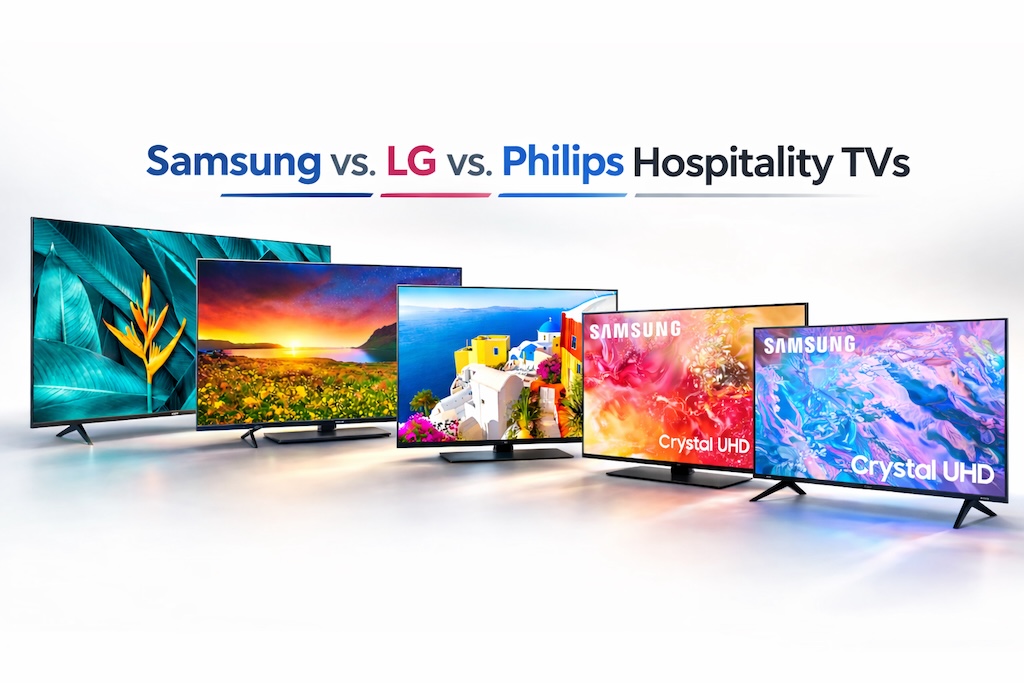
Three brands consistently lead the global hotel TV market:
While each manufacturer brings its own ecosystem and management platform, the core guest-facing features are highly comparable.
This guide provides a neutral, in-depth comparison of their streaming capabilities, casting support, DRM compliance, Wi-Fi connectivity, and browser functionality, helping hotel owners, IT directors, and procurement teams make informed decisions when selecting TVs for their properties.
Apps & Netflix Support in Hospitality TVs
One of the most searched questions in hospitality technology today is:
“Do hotel TVs support Netflix and streaming apps?”
The answer across the selected Samsung, LG, and Philips hospitality models is yes.
All five models support major OTT streaming platforms, including Netflix. This allows guests to log into their personal accounts without requiring external streaming devices such as Roku or Fire TV.
However, the underlying operating systems differ:
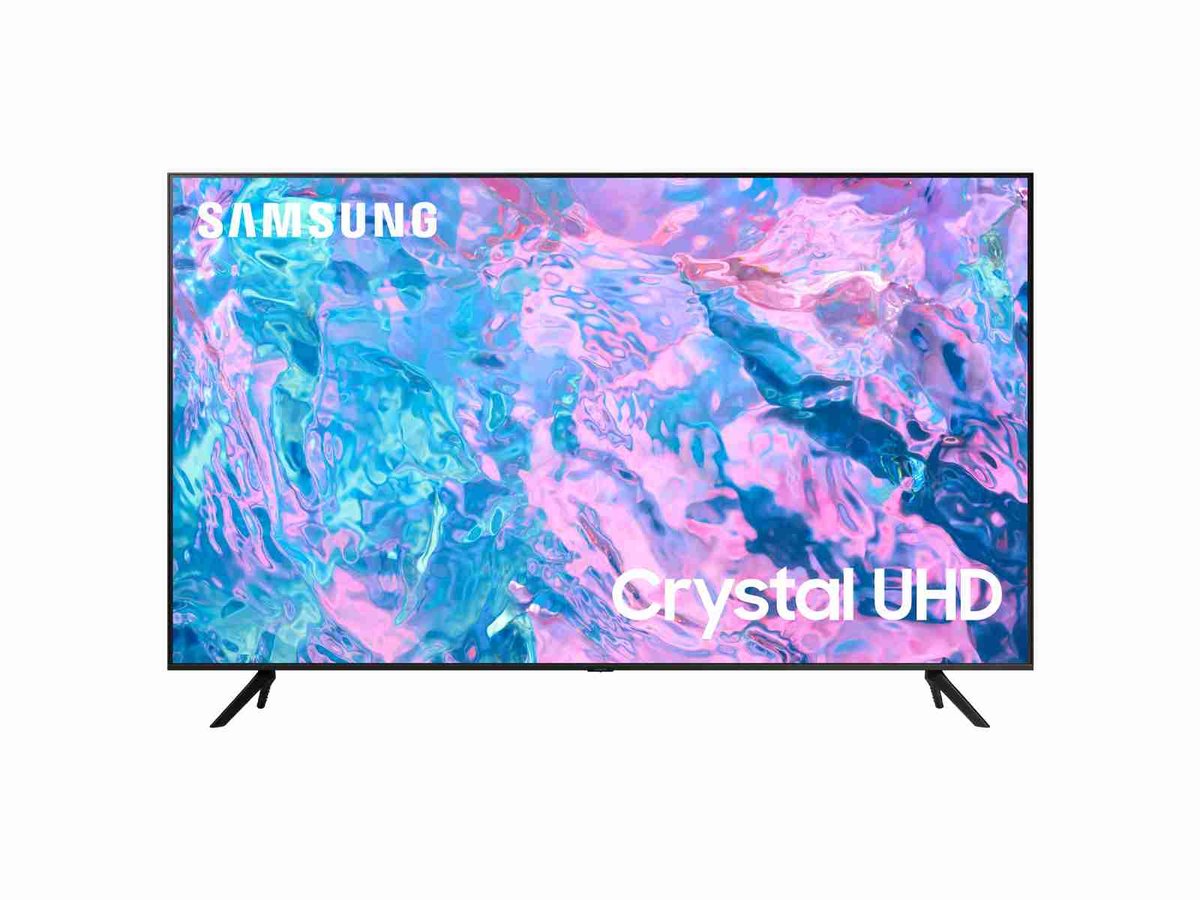
Samsung U800 & U701 operate on Tizen (Samsung’s Smart TV platform).
LG UK670H & UK777H use webOS, widely recognized for its clean interface.
Philips HFL5214U/27 runs on Android TV, giving access to the Google Play Store.
From a guest’s perspective, all three brands provide a modern streaming experience. The difference lies more in backend ecosystem integration and app deployment flexibility rather than visible functionality.
For hotels focused on streaming-ready guest rooms, all three brands meet current industry expectations.
Google Cast & Device Streaming for Hotel Rooms
Guest casting is now a standard expectation in the hospitality industry. Business travelers, extended-stay guests, and leisure travelers alike want to stream content directly from their smartphones or laptops.
All brands in this comparison support casting, though implementation varies slightly:
Samsung U701 and U800 include built-in Google Cast.
LG UK670H & UK777H offer integrated Google Cast functionality.
Philips MediaSuite includes Chromecast built-in through Android TV.
For properties prioritizing frictionless device pairing, especially QR-code based casting, integrated Google Cast environments may provide smoother guest onboarding.
Having said that, none of these hospitality TV models leave guests without a viable casting option. From a competitive standpoint, casting capability is now a baseline feature rather than a differentiator.
DRM (Digital Rights Management) in Hotel TVs
Digital Rights Management (DRM) is one of the most critical components of a hospitality TV system, even though guests rarely see it.
DRM ensures:
Secure IPTV content distribution
Compliance with broadcast licensing requirements
Compatibility with streaming platforms
Protection against unauthorized content duplication
All five models support Pro:Idiom, the hospitality industry’s standard DRM protocol. Additionally, streaming app DRM (such as Widevine or PlayReady) is supported where required.
This means:
Hotels can deploy secure IPTV systems.
Streaming platforms remain compliant.
Protected content playback is reliable.
From a compliance and security perspective, Samsung, LG, and Philips are equally aligned with modern hospitality standards.
Wi-Fi Connectivity & Network Integration
Integrated Wi-Fi is essential for:
OTT streaming
Google Cast functionality
Cloud-based TV management systems
Remote firmware updates
Guest personalization features
All models compared here include built-in Wi-Fi connectivity.
Some models may offer additional wireless features (such as SoftAP capabilities), but in practical hotel deployment, Wi-Fi integration is standard across all three brands.
When evaluating hotel TV systems, network design and property bandwidth infrastructure typically matter more than brand-specific Wi-Fi differences.
Web Browser Capability in Hospitality TVs
Web browsing is less critical in hotel environments than streaming and casting, but it can still be a consideration.
Here’s how the platforms compare:
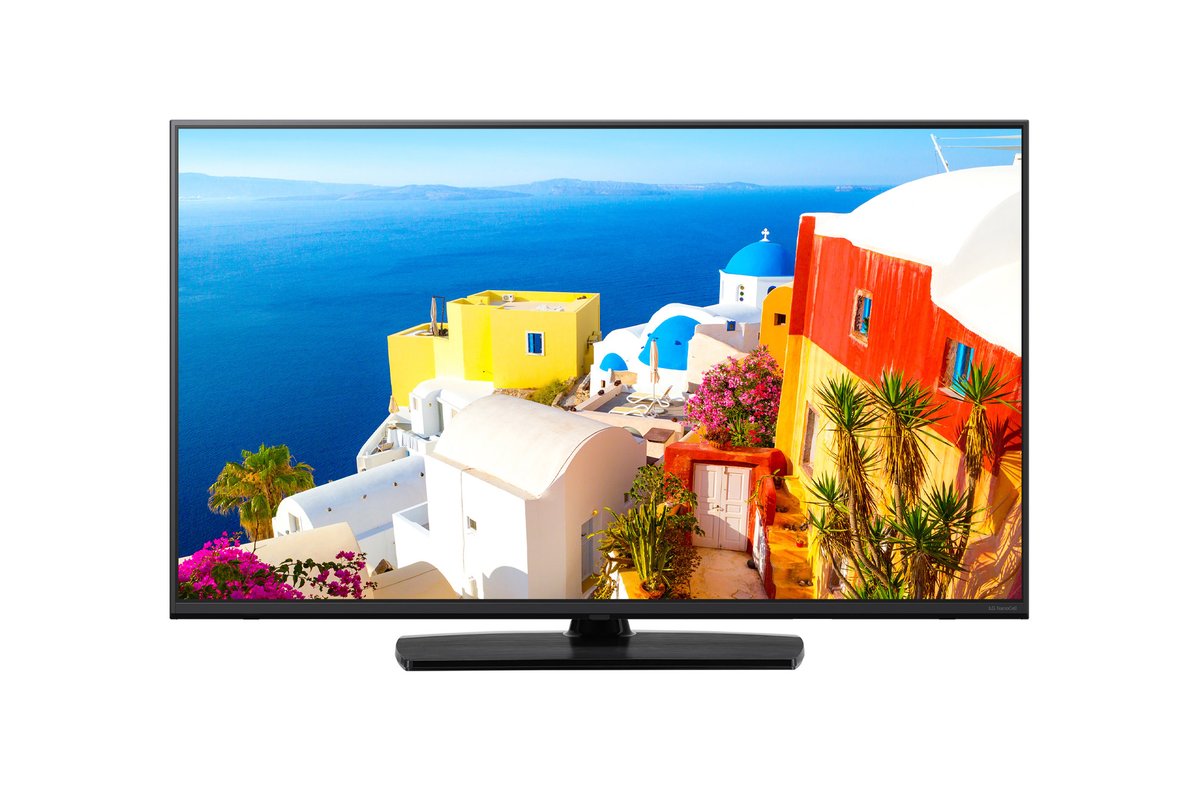
Samsung hospitality TVs: Offer limited or web-app-based browsing functionality.
LG hospitality TVs: Also offer limited or web-app-based browsing functionality.
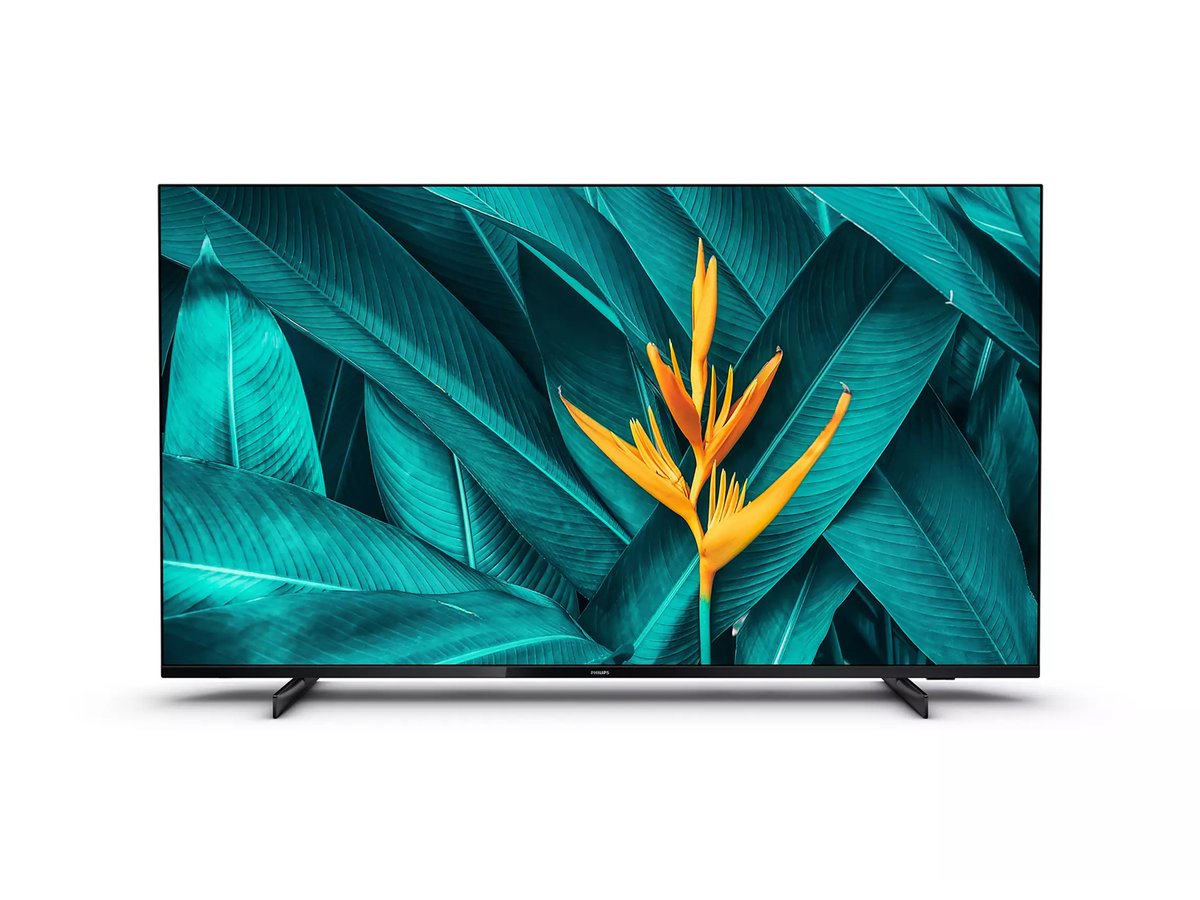
Philips (Android TV platform): Allows installation of browser apps via the Google Play Store.
In reality, most guests prefer casting or native streaming apps rather than manually navigating a browser using a remote control. Therefore, browser capability is generally considered a secondary feature in hospitality deployments.
Still, properties seeking broader Android ecosystem flexibility may find value in app-based browsing options.
Which Hospitality TV Should You Choose?
Because these brands are so comparable in core features, the decision often depends less on guest-facing technology and more on ecosystem preference, integration compatibility, and operational strategy.
Here is a balanced decision framework:
Choose Samsung (U800 / U701) if:
Your property already uses Samsung LYNK ecosystem tools.
You prefer the Tizen operating system.
You want a streamlined, globally recognized hospitality TV platform.
You are standardizing across multiple properties with Samsung infrastructure.
Choose LG (UK670H / UK777H) if:
You prefer the webOS interface.
Your integrator specializes in Pro:Centric deployments.
You want a strong balance of casting and app functionality.
You value LG’s long-standing presence in hospitality display solutions.
Choose Philips (HFL5214U/27) if:
You prefer Android TV ecosystem flexibility.
You want access to Google Play Store app deployment.
Chromecast built-in is a key requirement.
You are building a Google-centric smart room strategy.
Final Thoughts: Are Samsung, LG, and Philips Hospitality TVs Comparable?
Yes, and that’s important.
All three brands provide:
4K UHD resolution
Netflix and OTT streaming apps
Google Cast support (in some form)
Pro:Idiom DRM compliance
Integrated Wi-Fi connectivity
There is no clear performance disadvantage among them when evaluating modern guest entertainment requirements.
The best hospitality TV choice is ultimately about:
Ecosystem alignment
Integration compatibility
IT management preference
Property standardization strategy
Long-term operational efficiency
For hotels investing in future-ready in-room entertainment systems in 2026 and beyond, Samsung, LG, and Philips each represent viable, competitive options in the hospitality TV market.
Questions About Hospitality TVs or Hospitality Tech Products?
If you have any additional questions about the different hotel technology brand standards, particularly with hospitality TVs, feel free to reach out to our hotel tech experts directly.
Supplemental Info: If you're considering opening a hotel, we put together the Ultimate Guide to Opening a Hotel that covers all of the bases for this huge endeavor.