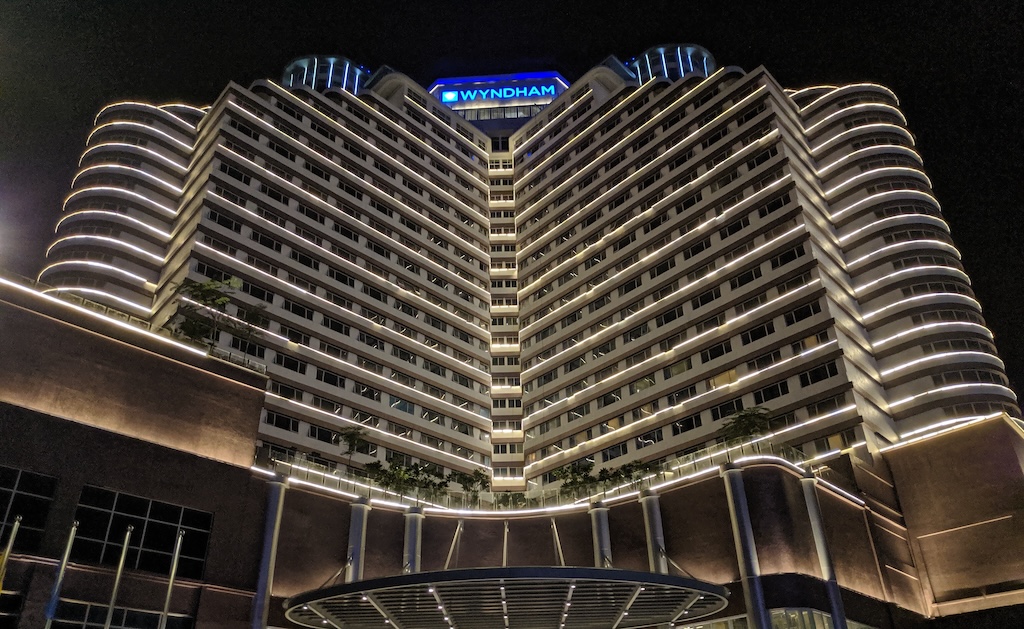
Wyndham Hotels & Resorts operates a broad portfolio of brands including Wyndham, Wyndham Garden, Ramada, La Quinta, Baymont, Days Inn, and Super 8. With thousands of properties spanning economy to upscale segments, Wyndham must maintain consistent hospitality technology standards that ensure guest satisfaction while allowing flexibility across diverse markets.
Technology plays a central role in delivering Wyndham’s brand promise. From entertainment systems and climate control to appliance durability and safe installation practices, each requirement contributes to operational efficiency and long-term asset protection. Whether you are building a new property, refreshing guest rooms, or preparing for a Wyndham Property Improvement Plan (PIP), understanding the brand’s hospitality technology standards is essential for compliance and cost control.
This article breaks down Wyndham’s expectations for hospitality TVs, PTAC and HVAC systems, guest room appliances, accessories, and common PIP technology upgrades.
Wyndham Hotels & Brands
Wyndham Hotels & Resorts operates 25+ hotel brands and is one of the largest hotel franchisors in the world by number of properties. Its portfolio spans luxury, upscale, midscale, and economy segments, with a strong focus on franchised properties.
Below is a structured list of Wyndham hotel brands by segment.
Upscale & Upper Upscale Brands
Higher-end hotels offering full service and premium amenities.
Upper Midscale Brands
Popular brands for business and leisure travelers.
La Quinta by Wyndham
Wingate by Wyndham
Wyndham Garden
AmericInn by Wyndham
Ramada by Wyndham
Microtel by Wyndham
Baymont by Wyndham
Midscale Brands
Affordable brands offering comfortable stays.
Economy Brands
Budget-focused lodging brands.
Super 8 by Wyndham
Travelodge by Wyndham
Knights Inn
Extended Stay Brands
Hotels designed for longer stays.
Vacation Ownership & Rentals
Vacation properties and timeshare brands.
Club Wyndham
WorldMark by Wyndham
Shell Vacations Club
Wyndham Alltra
Hospitality TVs & In-Room Entertainment Standards
In-room entertainment is one of the most visible measures of a hotel’s modernity. Guests expect high-definition screens, simple streaming access, reliable casting from their personal devices, and secure content delivery, regardless of whether they are staying at an economy or upscale Wyndham brand.
Because televisions operate for extended hours and serve as a primary in-room technology hub, Wyndham requires commercial-grade hospitality TVs specifically engineered for hotel use. These units are designed with hotel-mode firmware, locked inputs, remote management capabilities, and longer lifecycle availability, features that residential televisions do not provide.
Selecting the correct television model is not just about size or price; it’s about ensuring compliance with Wyndham’s operational, security, and guest experience standards.
Wyndham Hospitality TV Requirements
Wyndham properties must install commercial-grade hospitality TVs that:
Are designed for continuous hotel operation rather than residential use.
Support secure content delivery and compatibility with streaming or casting platforms.
Meet brand-specific screen size and resolution expectations based on room type and category.
Provide interfaces for guest device casting or connectivity.
Include remote management capabilities for firmware updates, diagnostics, and troubleshooting.
Hospitality TV models from trusted manufacturers like Samsung, LG, and Philips are commonly selected because they provide long lifecycle support, hospitality firmware, hotel-specific UI options, and remote monitoring features, all essential for Wyndham brand compliance.
By choosing hospitality-grade televisions, properties improve guest satisfaction, reduce maintenance calls, and align with Wyndham’s expectations for entertainment technology.
PTAC Units & HVAC Standards: Comfort Meets Efficiency
Temperature control is one of the most critical contributors to overall guest satisfaction. Studies consistently show that room comfort, especially sleep quality influenced by temperature and noise, has a direct impact on review scores and repeat bookings.
For this reason, Wyndham places strong emphasis on energy-efficient, quiet, and durable HVAC systems, particularly PTAC (Packaged Terminal Air Conditioner) units commonly used in limited-service and midscale properties. These systems must balance performance, operational cost efficiency, and ease of maintenance.
Hospitality-grade PTAC units are engineered to handle high occupancy turnover, continuous cycling, and varying climate conditions. Choosing compliant equipment ensures not only guest comfort but also long-term operational reliability.
Wyndham PTAC & HVAC Requirements
Approved PTAC units and HVAC systems for Wyndham properties must deliver:
Reliable and energy-efficient heating and cooling performance suitable for varied climate zones.
Low-noise operation that enhances guest comfort and reduces complaints.
Components engineered for continuous commercial use rather than residential applications.
Compatibility with smart thermostats or occupancy controls where required by brand guidelines.
Energy-efficient HVAC systems reduce utility expenses and support sustainability initiatives, both of which are increasingly important in modern hotel operations.
Selecting PTAC units that meet Wyndham brand standards ensures HVAC performance that aligns with both guest expectations and engineering compliance during inspections.
Guest Room Appliances: Durability & Brand Consistency
Guest room appliances contribute to the overall convenience and perceived value of a stay. Even small appliances, such as refrigerators, coffee makers, and microwaves, influence how guests experience comfort and functionality during their visit.
Because hotel appliances are used far more frequently than residential units, Wyndham requires hospitality-rated appliances that are built for commercial durability, electrical safety, and long-term performance. These units must withstand frequent use, regular cleaning, and higher operational loads.
Standardizing appliances across a property also helps maintain visual consistency and simplifies maintenance planning.
Wyndham Guest Room Appliance Standards
Wyndham Hotels properties should equip guest rooms with:
Hospitality-rated refrigerators and beverage coolers sized appropriately for room type.
Coffee makers and beverage systems that meet electrical safety and brand requirements.
Microwaves or small kitchen appliances where specified by brand standards.
Other commercial-grade appliances that meet durability and safety expectations.
Using consumer-grade appliances often leads to premature failures, voided warranties, and increased maintenance calls, all of which negatively impact guest satisfaction and property profitability.
By specifying hospitality-rated appliances, Wyndham properties improve reliability, align with safety codes, and provide consistent service quality.
Accessories & Installation Hardware: Compliance & Safety
Hotel room accessories and installation hardware may appear secondary compared to major systems like TVs and HVAC, but they are essential for safety, compliance, and long-term durability. Improper mounting hardware, non-certified power accessories, or poorly managed cabling can create safety risks and PIP deficiencies.
Wyndham brand standards require that accessories and installation components meet commercial-grade specifications and support secure, tamper-resistant installations.
These elements also influence aesthetics, clean cable management and properly mounted equipment enhance the professional appearance of guest rooms.
Wyndham Accessories & Hardware Requirements
Wyndham properties should install:
Hospitality-rated TV mounts and brackets designed for secure, tamper-resistant installation.
Power accessories and charging stations that meet fire and electrical safety codes in hotel environments.
ADA-compliant controls and in-room hardware where mandated by brand and accessibility standards.
Proper cable management solutions aligned with structured technology infrastructure.
Commercial-grade accessories reduce liability exposure, protect installed equipment, and support brand-compliant room presentations.
Common Technology Requirements in a Wyndham PIP
A Wyndham Property Improvement Plan (PIP) is designed to ensure that hotels remain aligned with current brand standards and competitive guest expectations. Technology systems are a significant focus area during these evaluations.
During a PIP, Wyndham representatives assess whether in-room technology meets modern standards for functionality, safety, efficiency, and guest satisfaction. Even if equipment is operational, it may require replacement if it no longer meets brand specifications.
Early preparation is essential to avoid delays or unplanned capital expenditures.
Typical Technology Areas Evaluated in a Wyndham PIP
When evaluating technology systems during a PIP, inspectors commonly assess:
Hospitality television technology: verifying hospitality-grade models, casting compatibility, and secure interfaces.
HVAC and PTAC performance: ensuring energy efficiency, quiet operation, and brand compliance.
Guest room appliance compliance: confirming durability, safety, and brand alignment.
Accessory quality and installation: checking for commercial-grade hardware, ADA compliance, and secure mounting.
Hotels that plan technology upgrades early and engage experienced hospitality technology partners typically face fewer deficiencies and smoother PIP approvals.
Best Practices for Wyndham Technology Compliance
Meeting Wyndham hospitality technology standards requires strategic planning and careful procurement. Successful properties take a proactive approach, confirming compliance before installation rather than correcting deficiencies afterward.
Below are proven best practices to ensure smooth compliance and long-term operational success:
Select hospitality-grade equipment designed specifically for high-usage hotel environments.
Verify specifications with brand engineering before placing equipment orders.
Document all installations and product models to support PIP submissions and brand compliance audits.
Partner with suppliers experienced in hospitality technology standards to avoid procurement errors.
Budget for infrastructure upgrades early, especially for TV casting systems, HVAC controls, and network connectivity.
Taking a proactive approach protects guest satisfaction, reduces lifecycle costs, and enhances long-term operational performance.
Wyndham Hotels, Technology that Delivers Guest Satisfaction & Operational Reliability
Wyndham Hotels hospitality technology brand standards are structured to deliver consistent guest experiences, reliable performance, and operational efficiency across diverse property types.
By implementing compliant entertainment systems, energy-efficient climate control solutions, commercial-grade appliances, and secure installation hardware, Wyndham properties can:
Improve guest comfort and satisfaction
Reduce maintenance disruptions
Avoid costly PIP deficiencies
Protect long-term asset value
From televisions and HVAC systems to appliances and accessory hardware, every technology component plays a role in delivering the dependable, comfortable stay that Wyndham guests expect.
Questions About Hospitality Tech Products?
If you have any additional questions about the different hotel technology brand standards, particularly with hospitality TVs, feel free to reach out to our hotel tech experts directly.
Supplemental Info: If you're considering opening a hotel, we put together the Ultimate Guide to Opening a Hotel that covers all of the bases for this huge endeavor.